The Deepfake Problem
What you see may not be real.
AI can now create images that look completely real. Tools that try to catch fakes are always one step behind.
- 01 Fake images everywhere AI creates realistic fakes in seconds.
- 02 Nobody knows what to trust News, courts, and social media cannot tell real from fake.
- 03 Fake-catchers fall behind Every new AI model beats the old detectors.
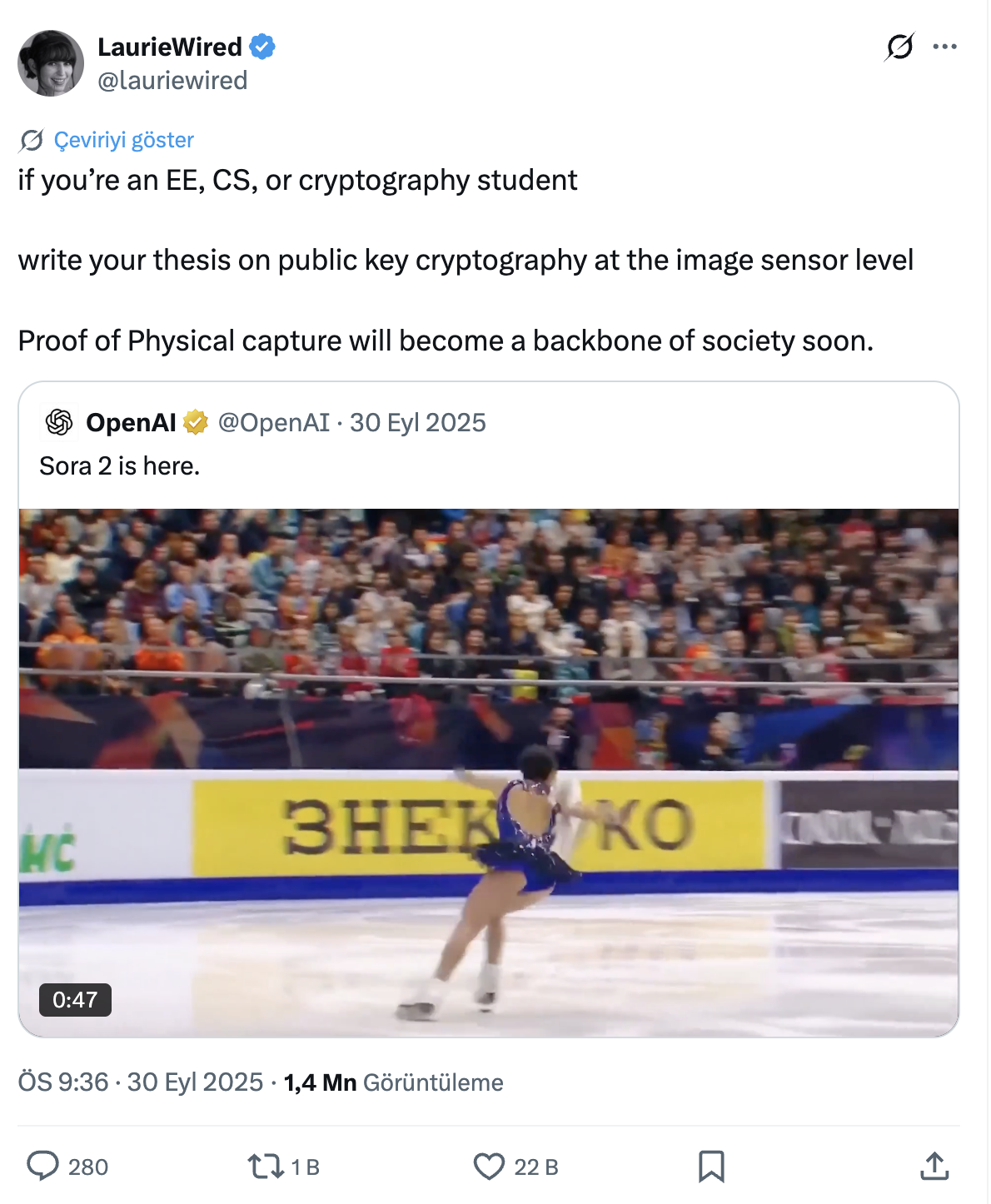
@lauriewired
1.4M views
A Real Photo
This is what gets signed.
A real photo from our camera. Low quality on purpose. The goal is proof, not pretty pictures.
- DEVESP32-DEV-01which camera took it
- SENOV2640 CMOS640 × 480 pixels
- SEQ#0042photo number (goes up by one each time)
- SHAa1b2c3d4 … 9f8e7d6cunique fingerprint of this photo
Frame · ESP32-DEV-01 · seq 0042
640 × 480
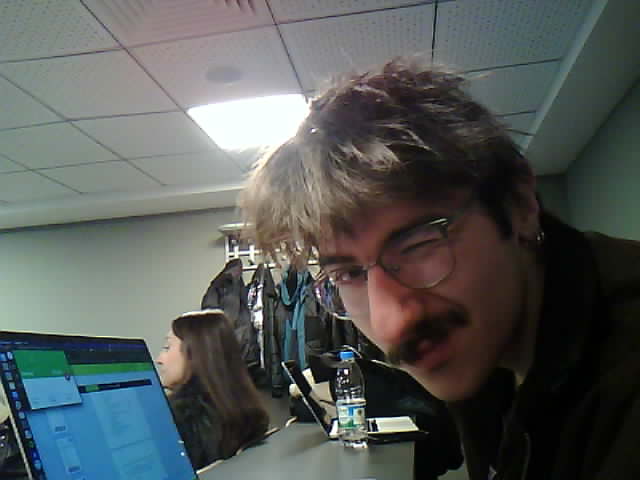
signed at capture
SHA-256 · a1b2c3…
The Team
Four builders.
Software Engineering students at Çankaya University, building a graduation project on the future of digital trust.
EC
Efe Çelik
Software Engineer
BB
Batuhan Bayazıt
Software Engineer
BC
Barış Cem Bayburtlu
Software Engineer
BA
Burak Aydoğmuş
Software Engineer
CU
Çankaya University
Software Engineering Department
SENG 491-492, 2025-2026
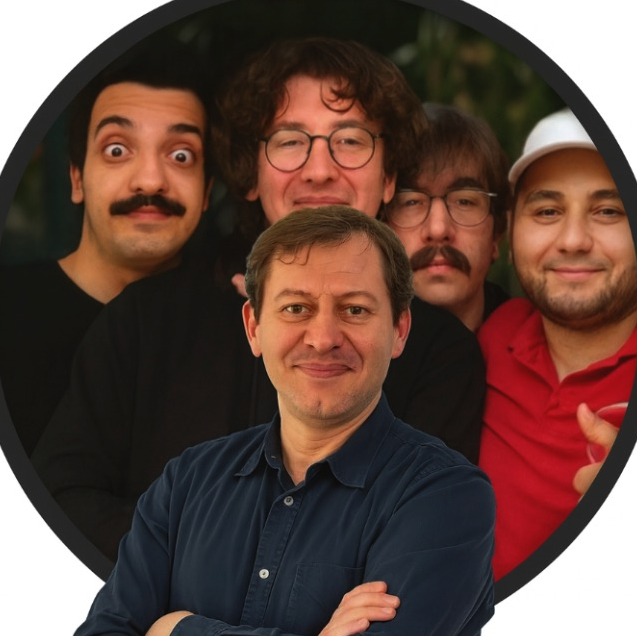
The PleasEye Team
2026